

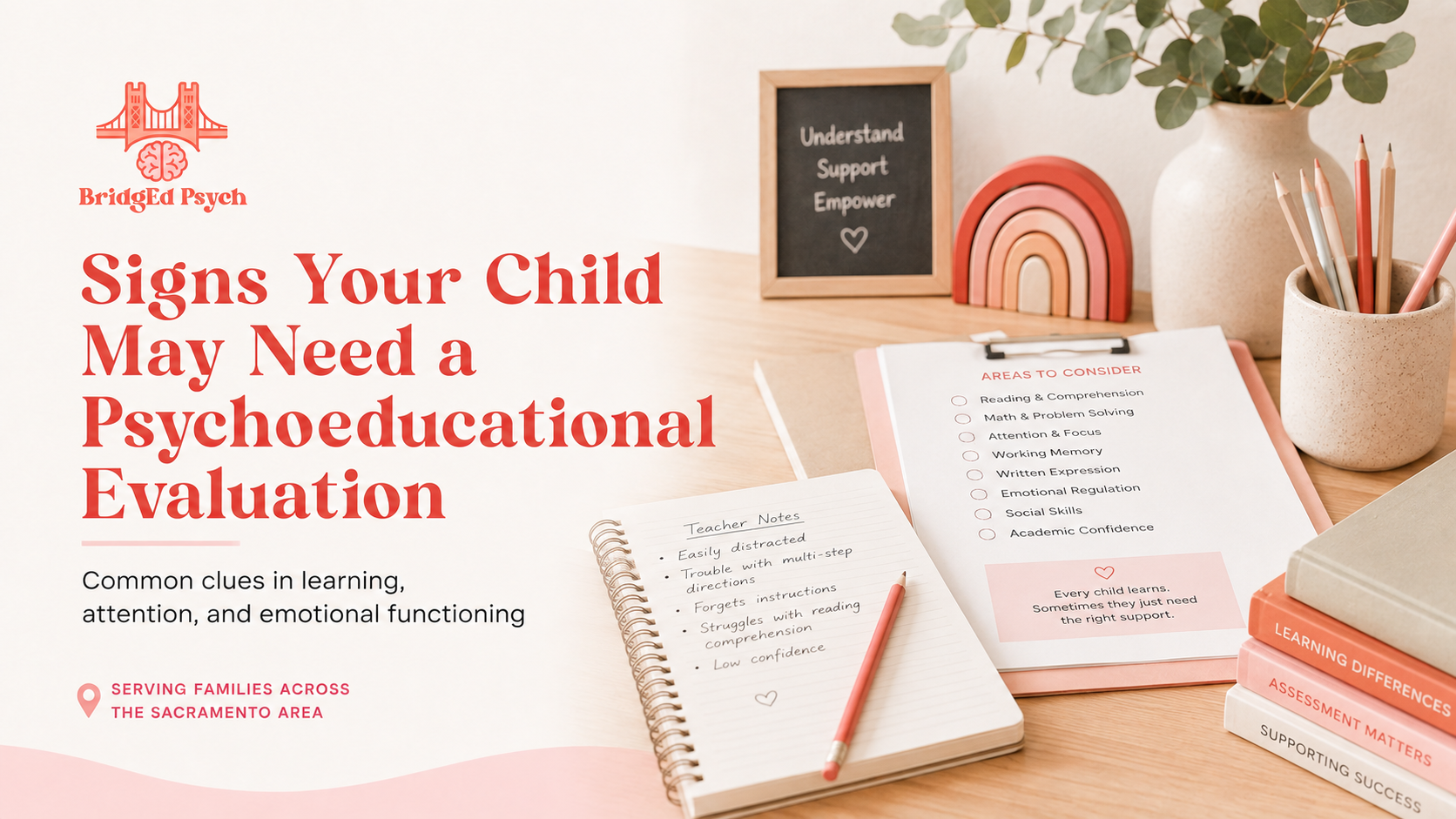
Signs Your Child May Need a Psychoeducational Evaluation

What Is Dysgraphia? A Parent-Friendly Guide to Understanding Writing Struggles
If your child seems bright but writing feels unusually hard, dysgraphia may be part of the picture. Here’s a parent-friendly look at signs, types, and supports that can help. Based on the presentation you shared, dysgraphia can affect letter formation, spacing, spelling, writing speed, grammar, and overall written expression.
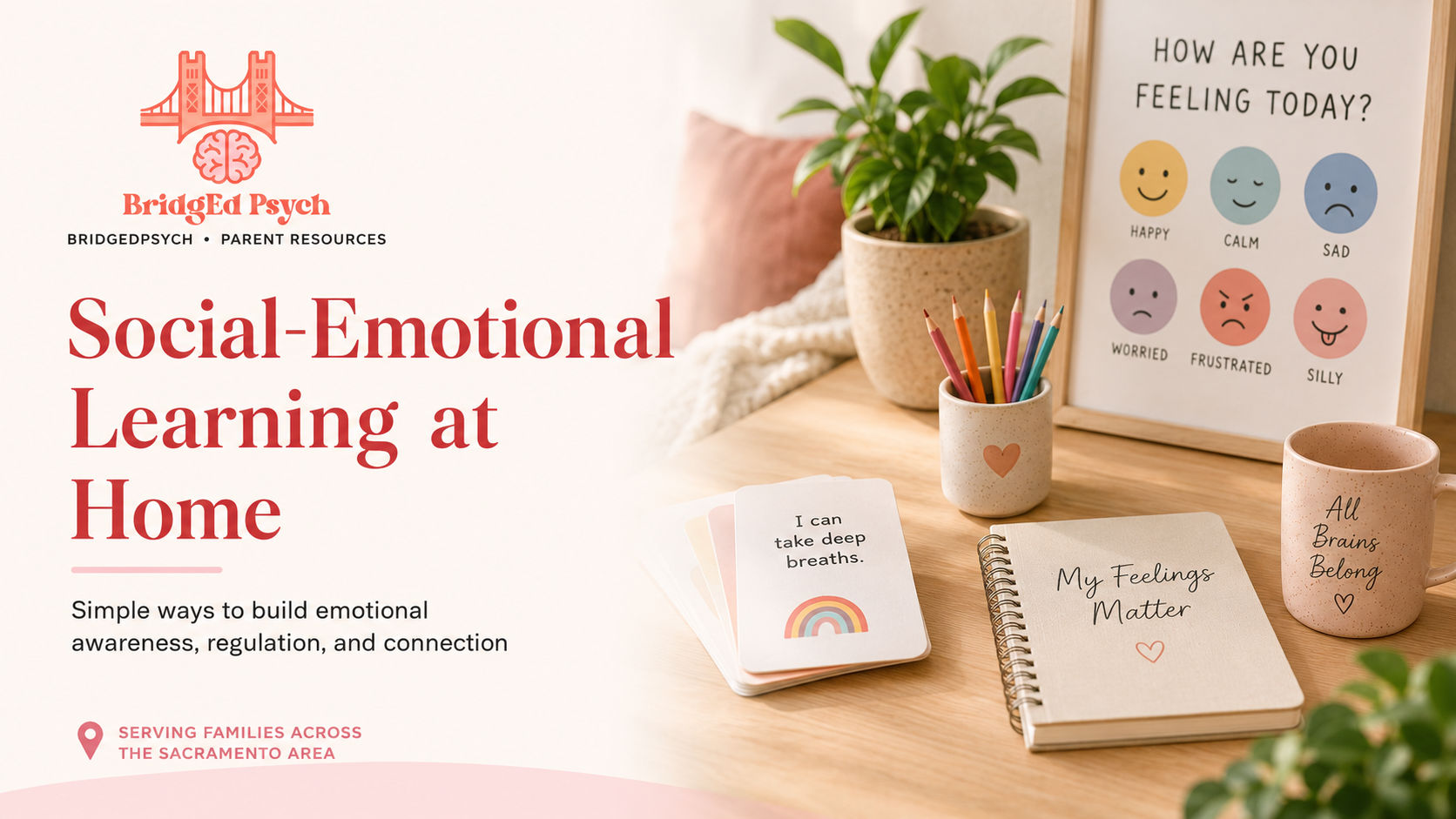
SOCIAL-EMOTIONAL LEARNING AT HOME
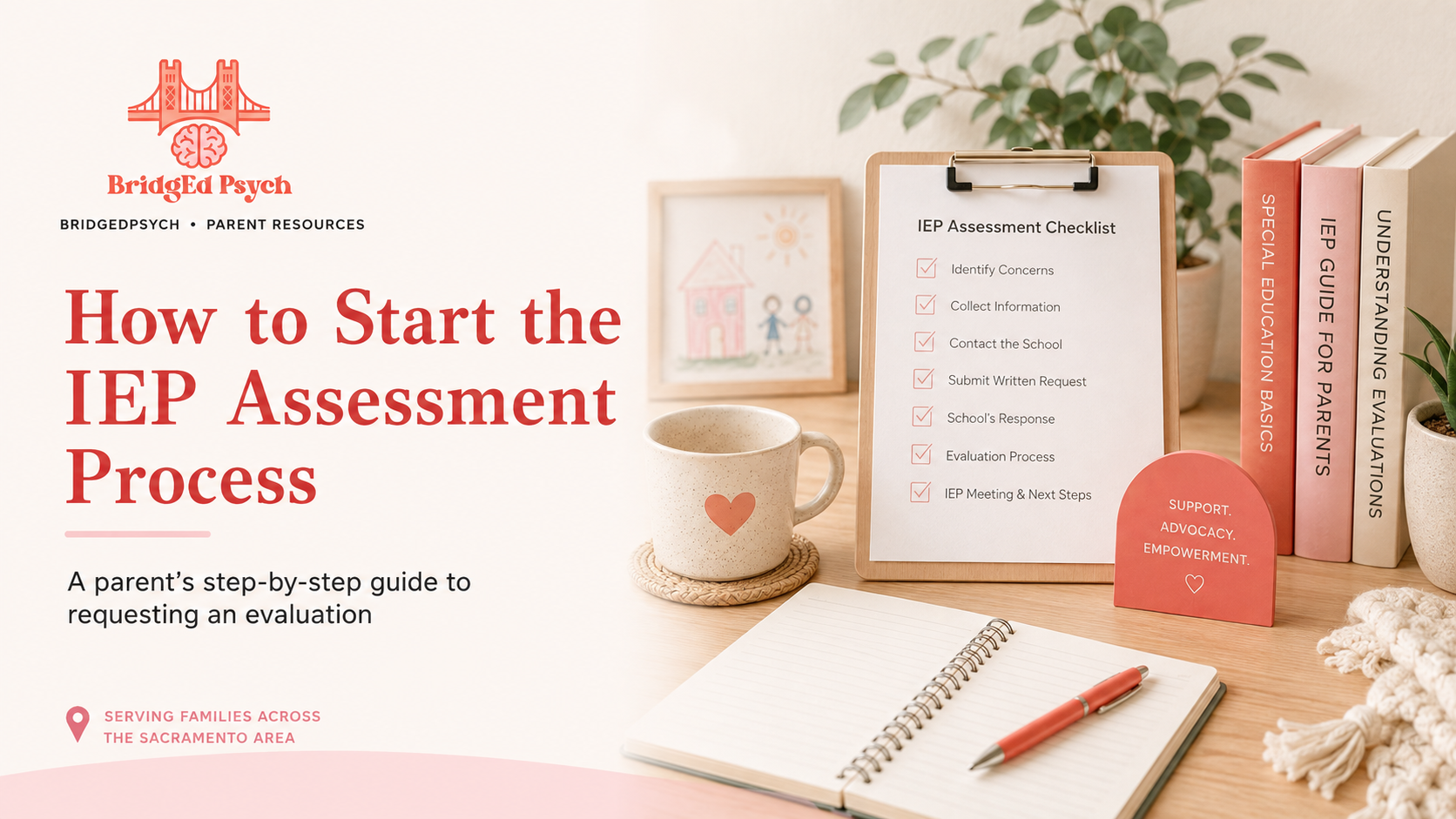
How to Start the IEP Assessment Process: A Parent’s Step-by-Step Guide
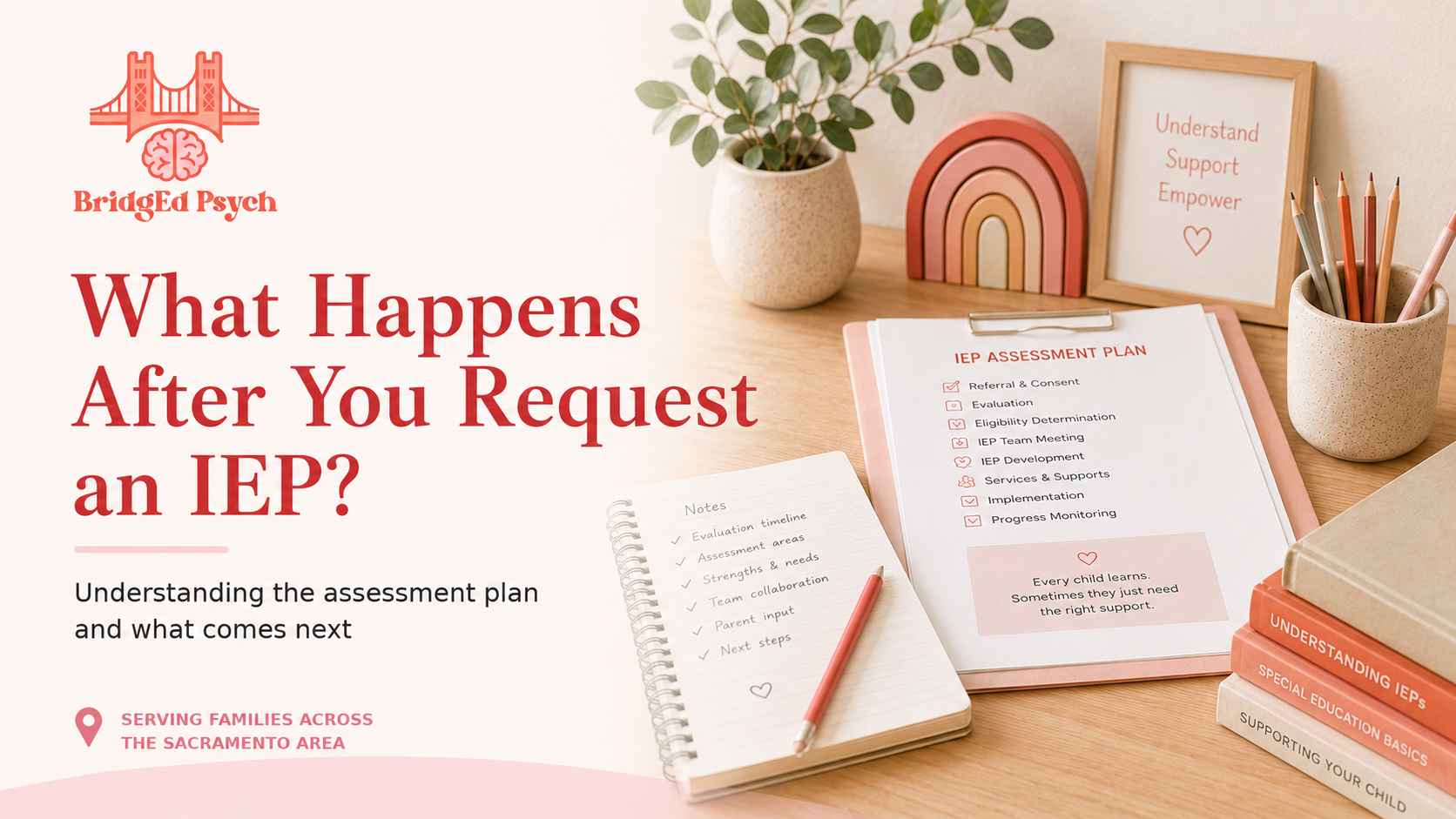
What Happens After You Request an IEP? Understanding the Assessment Plan
What’s the Difference Between a 504 Plan and an IEP?
What Is an IEE? When (and Why) to Request One
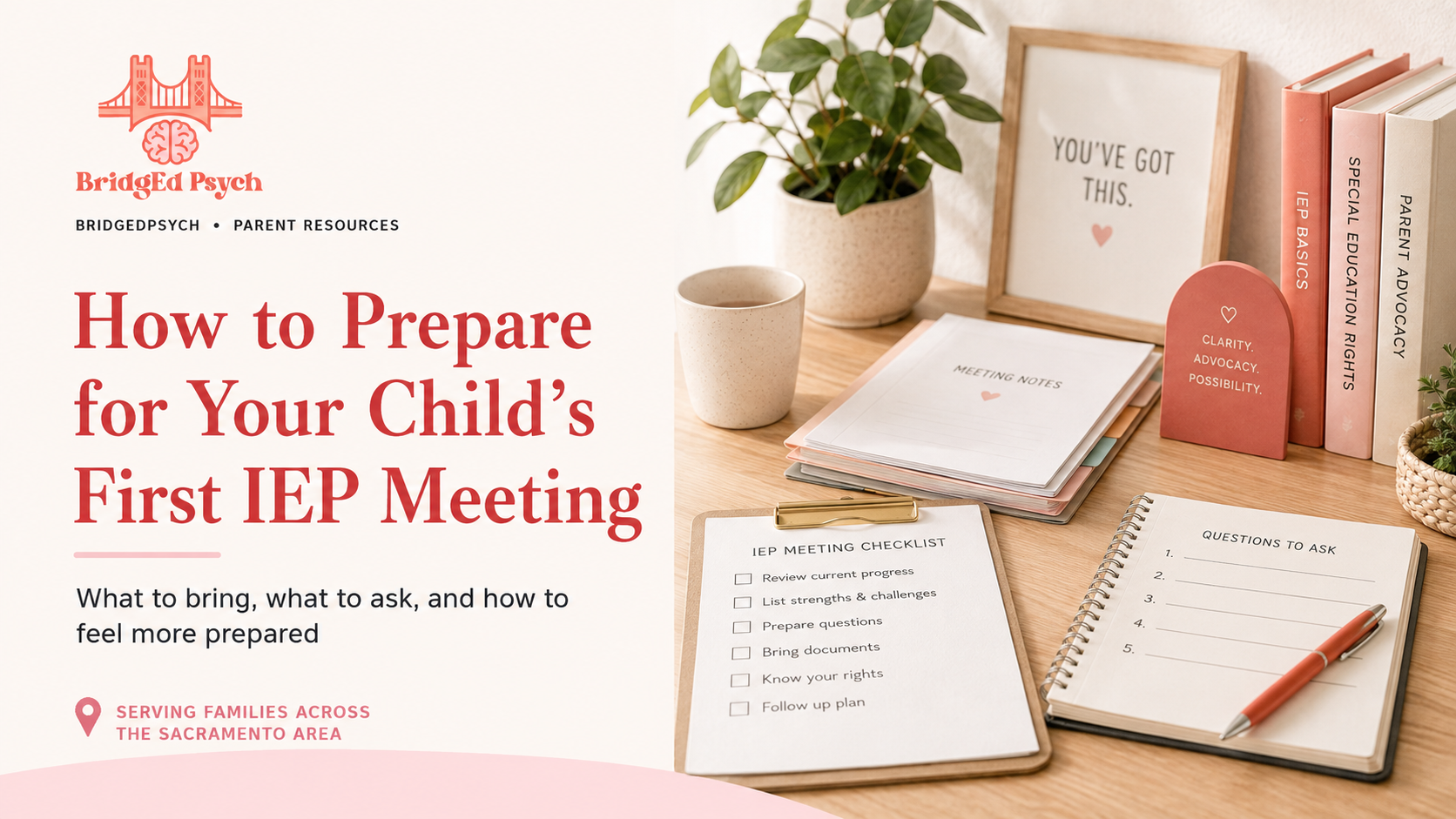
How to Prepare for Your Child’s First IEP Meeting
Understanding Emotional Disability: What It Means—and What It Doesn’t
Is It Autism, ED, or Both? Understanding the Overlap in School Evaluations
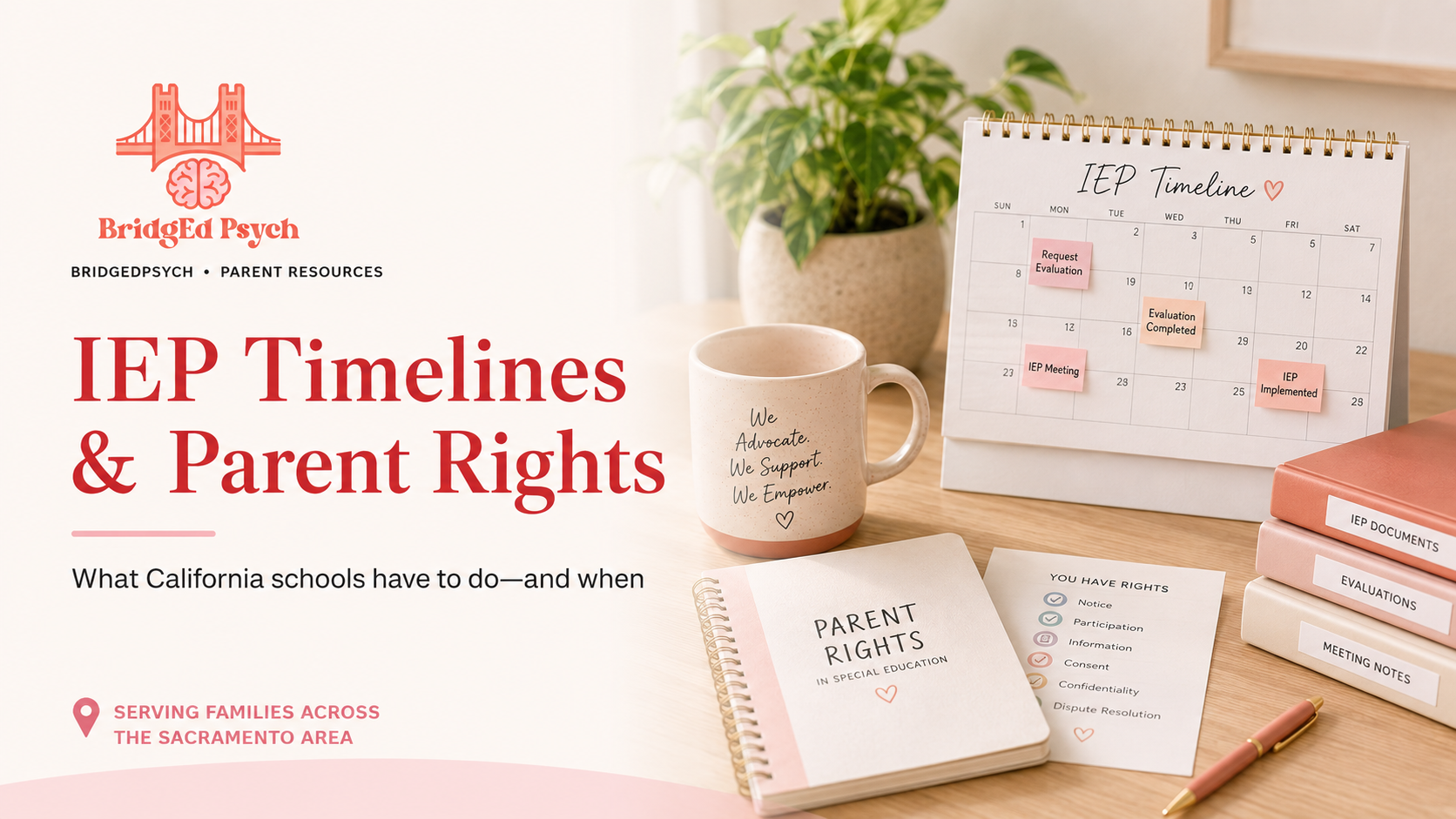
IEP Timelines and Parent Rights: What Schools Have to Do—and When
How to Talk to Your Child About Getting Evaluated: A Parent’s Guide
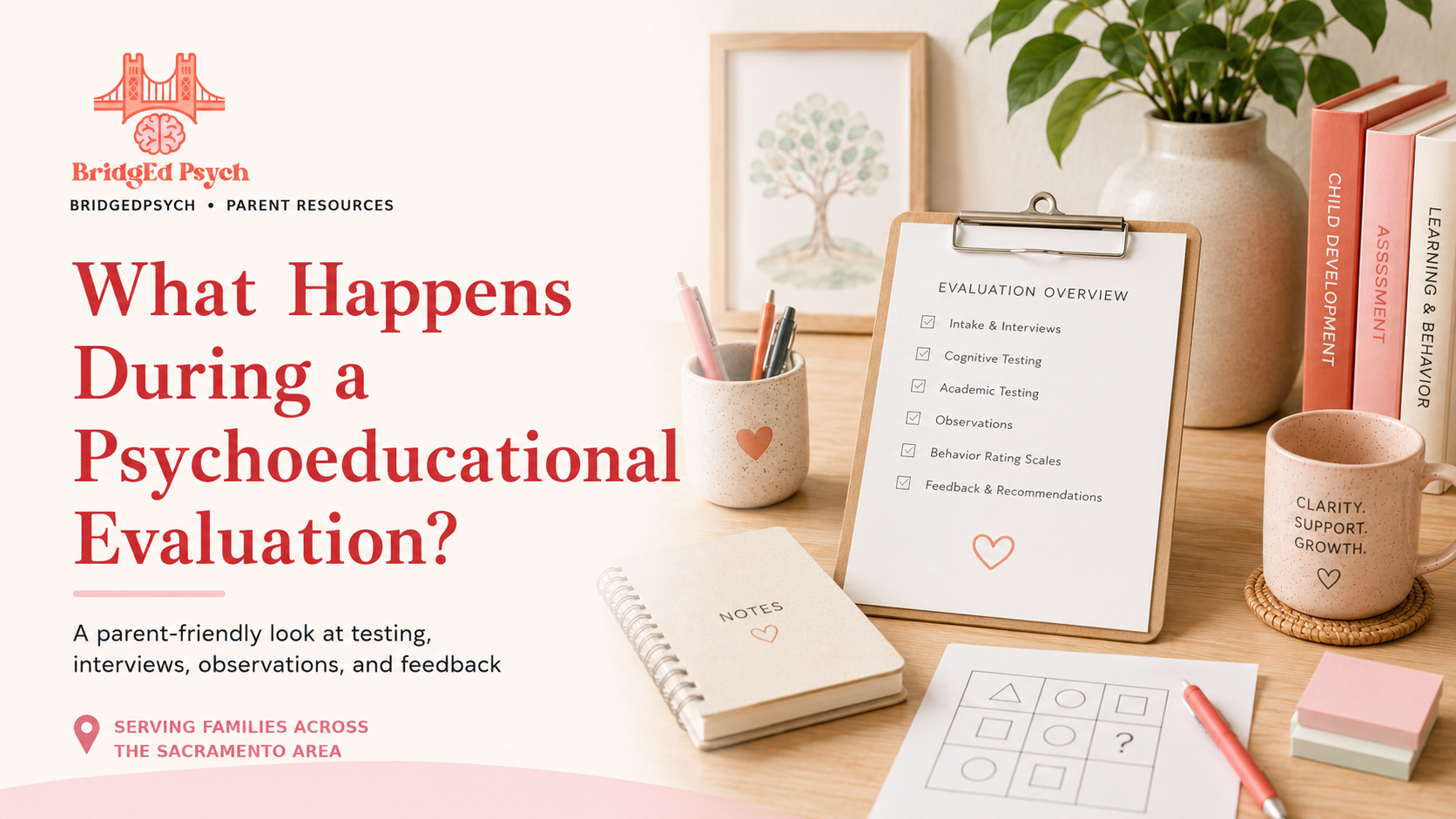
What Happens During a Psychoeducational Evaluation?
📬 Stay in the Loop!
Want expert tips on navigating IEPs, understanding assessments, and advocating for your child?
Join the BridgEdPsych newsletter for monthly updates, free parent resources, and behind-the-scenes insights from a Licensed Educational Psychologist.
👉 No spam—just smart, supportive content straight to your inbox.